Bismuth Part 3 (A closer look)
I have recently bought a very cheap microscope; Just to play with. Of course the first thing I did is put some of my test tiles underneath it to see if I could identify anything in the glaze. For example, Make a glaze, add something to it (In this case bismuth) and see if you can identify it just by looking at it. Turns out you can. Here is a picture of one of my red glazes without and with bismuth.

without

with
Seems great, right? It’s not all rainbows and sunshine. There seems…..SEEMS! to be a limit to how much you can use. I have tested this a few times and so far it seems too much bismuth messes with the clay or the way the glaze works. It seems to cause bubbles / pitting if you do it wrong. What is wrong? I do not know yet, it’s my my third test.
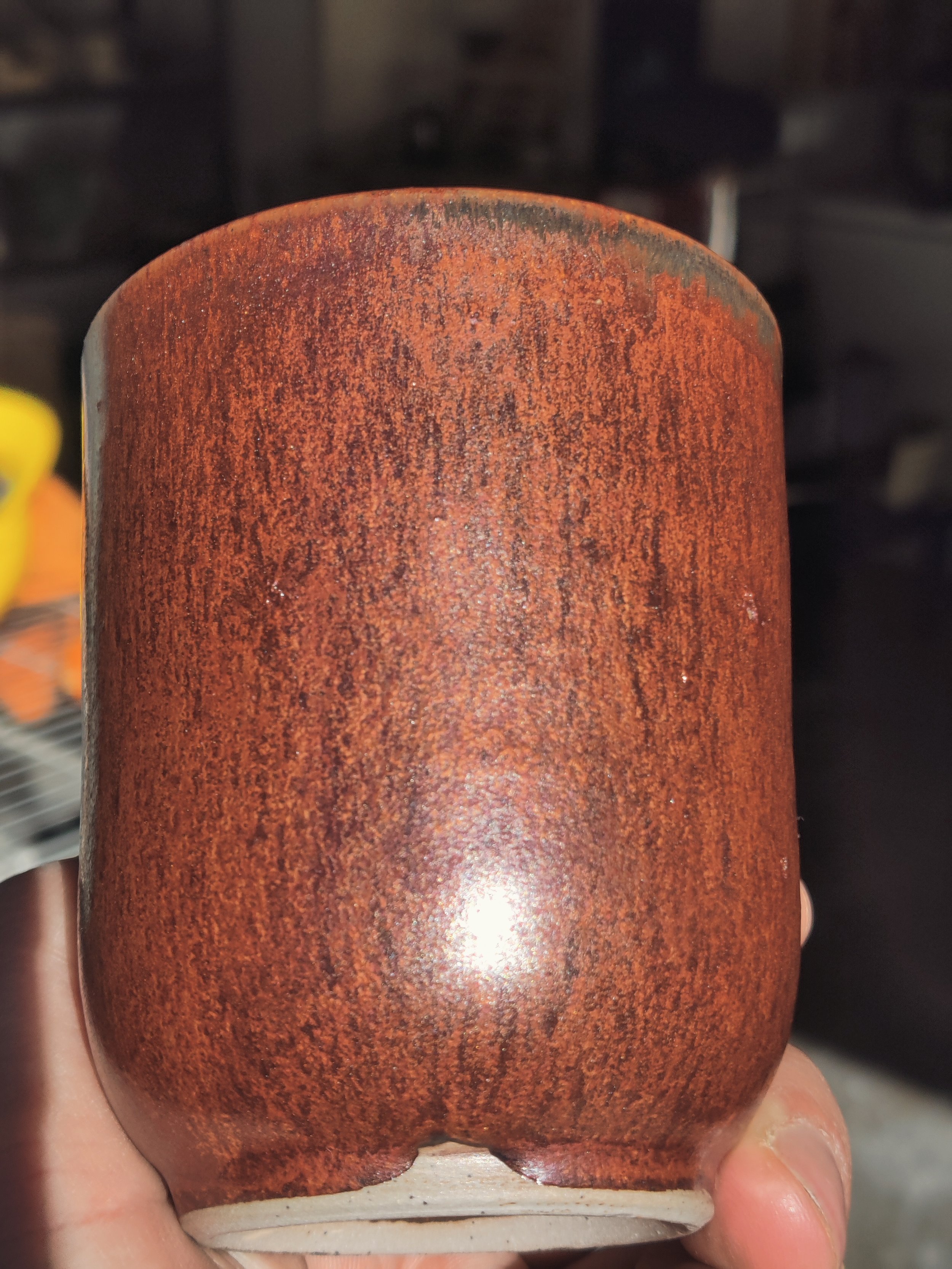
see the little bubbles?
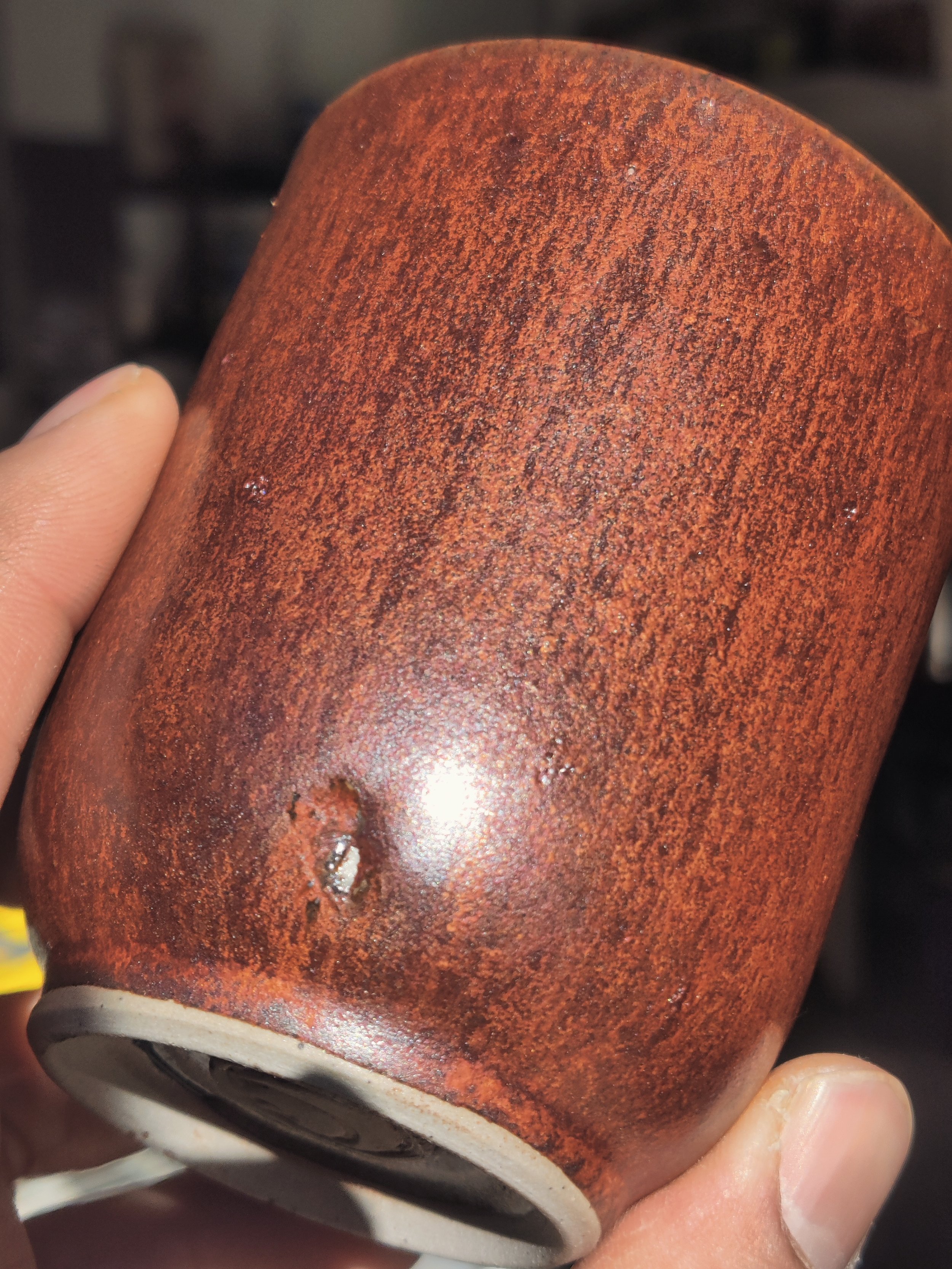
more bubbles
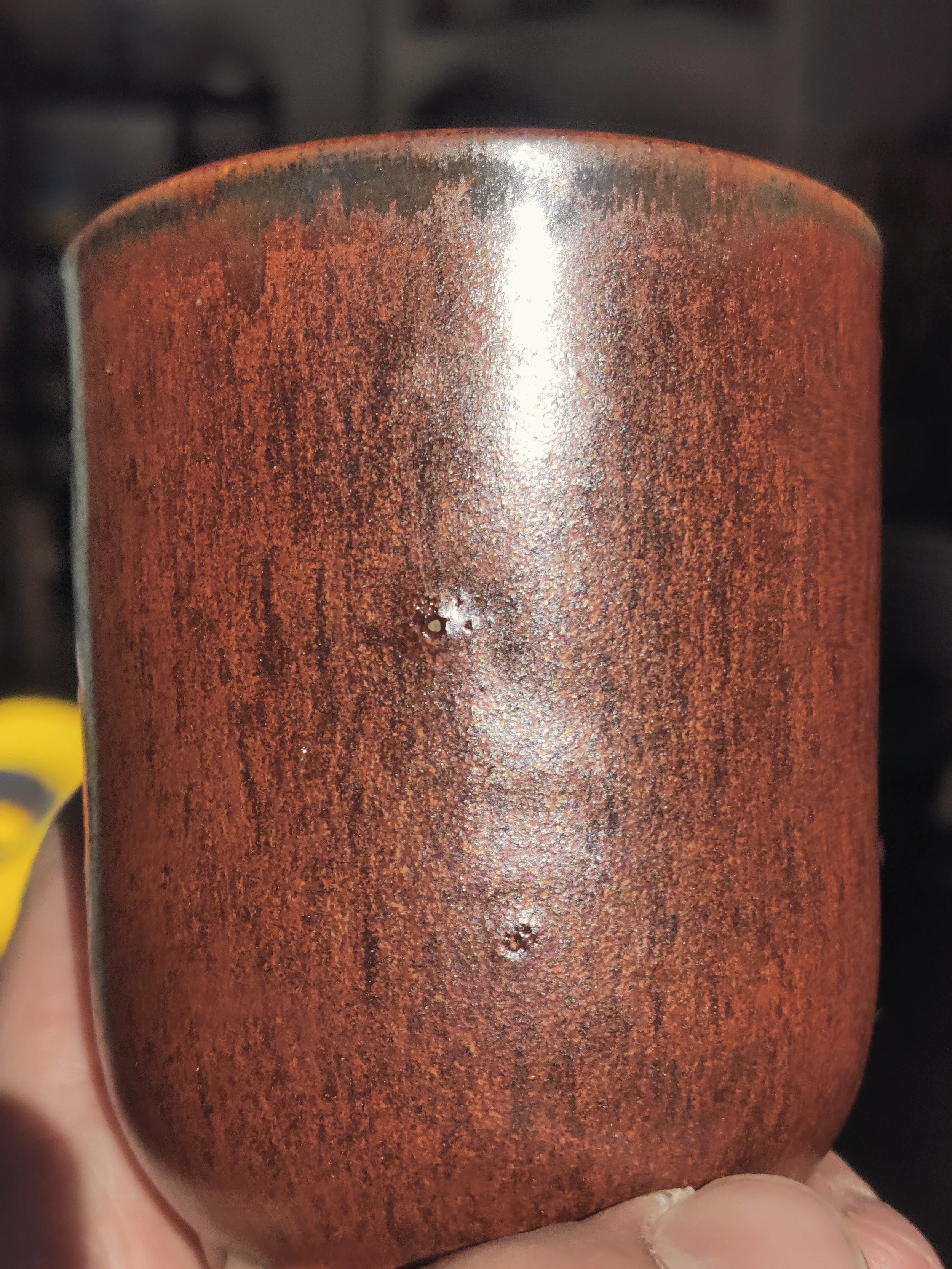
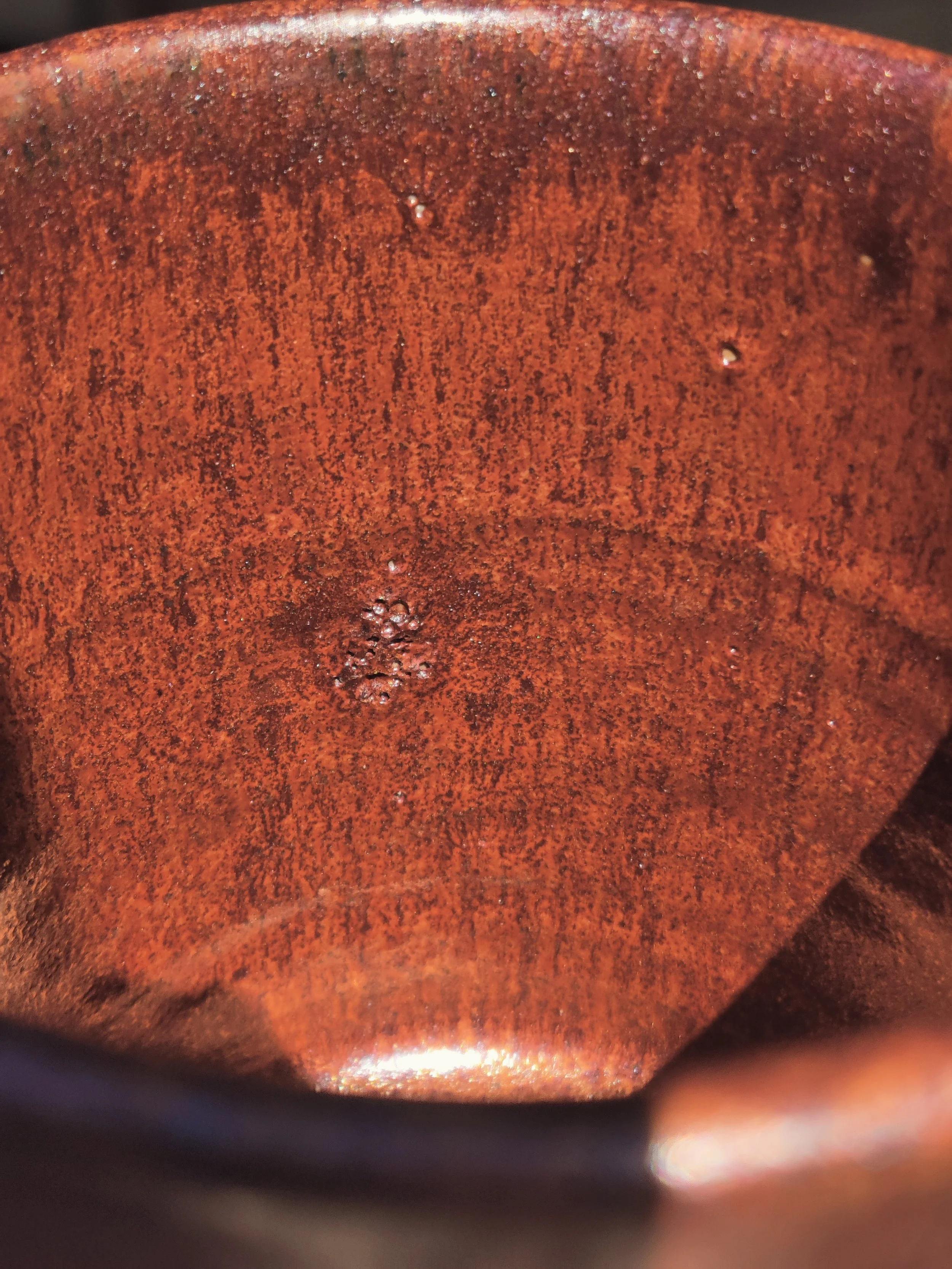
From my testing it seems like there is either a limit to how much bismuth can be used in a glaze or at least there has to be some type of processing before hand to use it. This seems to happen most when putting it on the inside and outside of a pot. I will be testing to see if I can put a glaze inside of a cup, let it dry for a few days, then glaze the outside just to see if it’s some type of “clogging of the pours”; but that’s a later test.
So I did the only thing a rational person would do… I broke it so I could look under the cheap microscope.
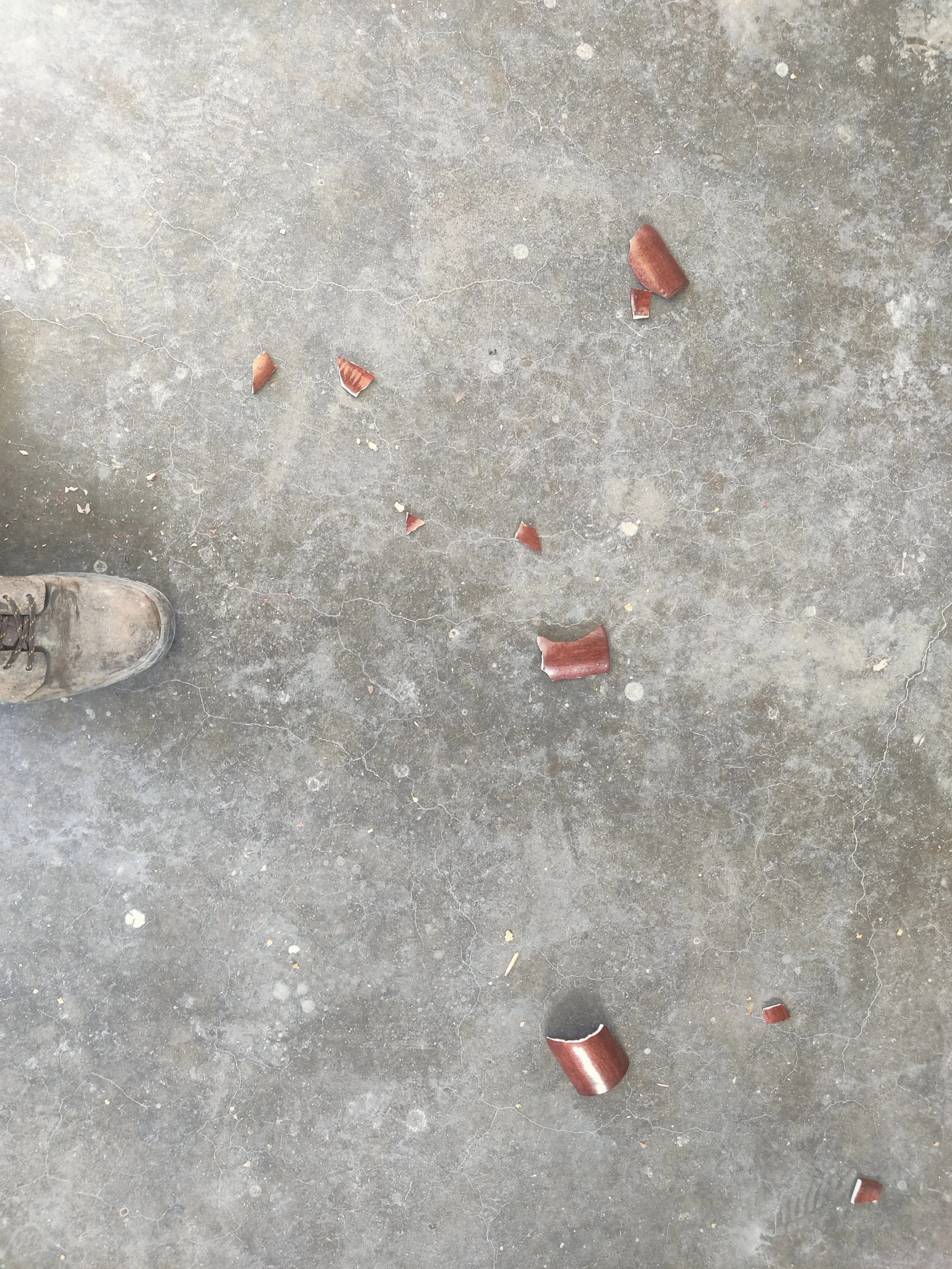
Work boots swag
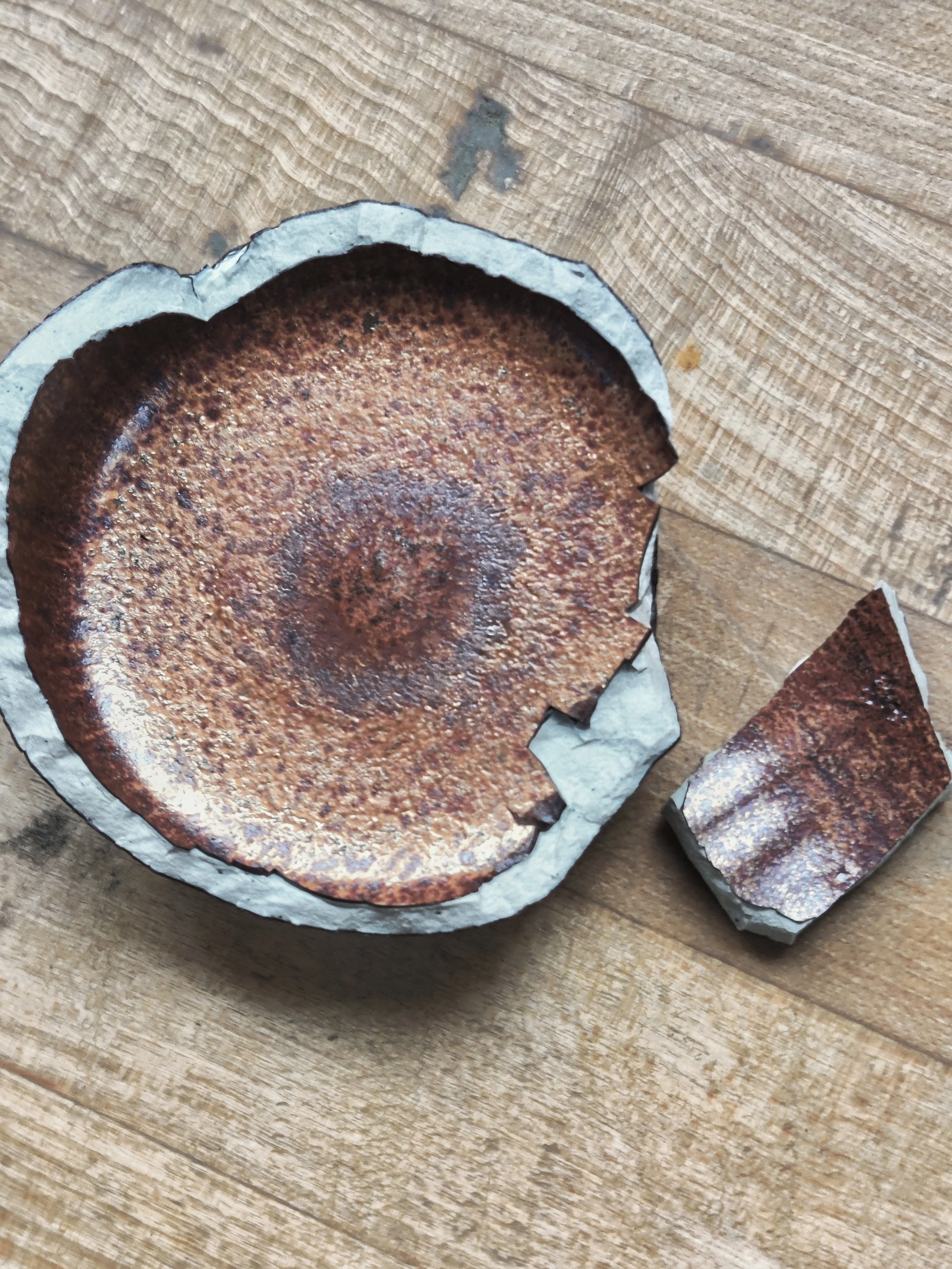
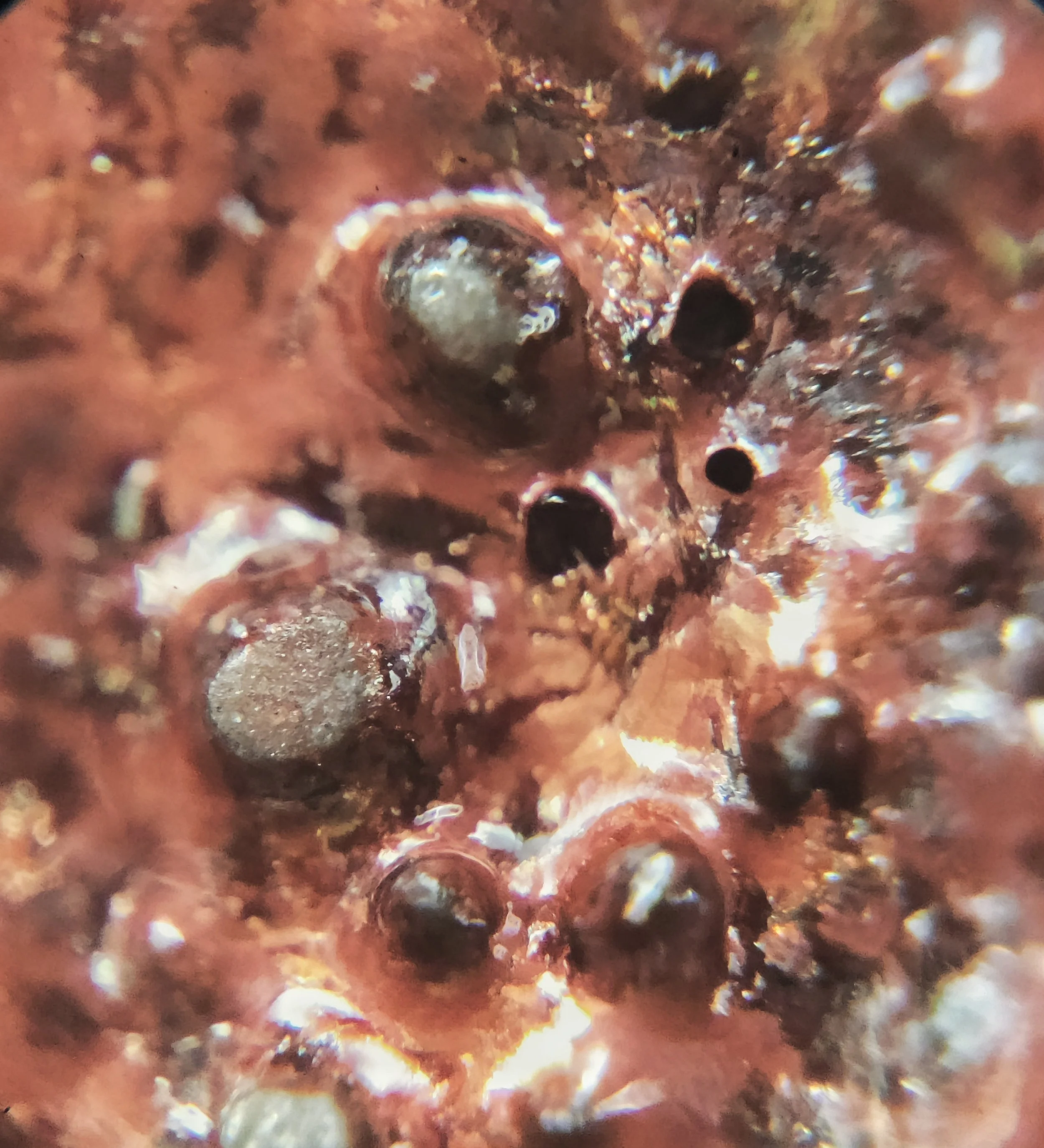
bubbles under the microscope
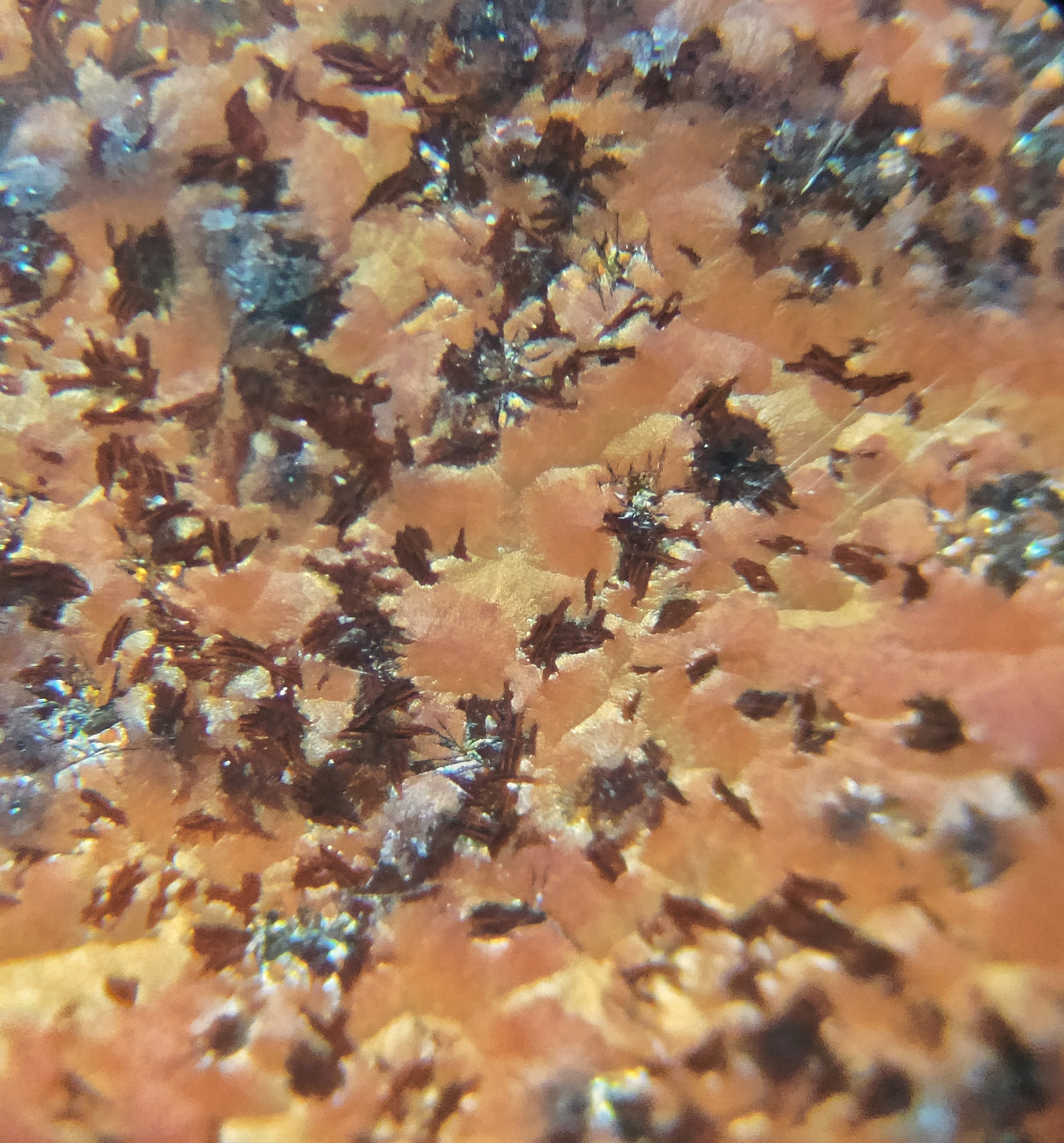
bottom of the cup
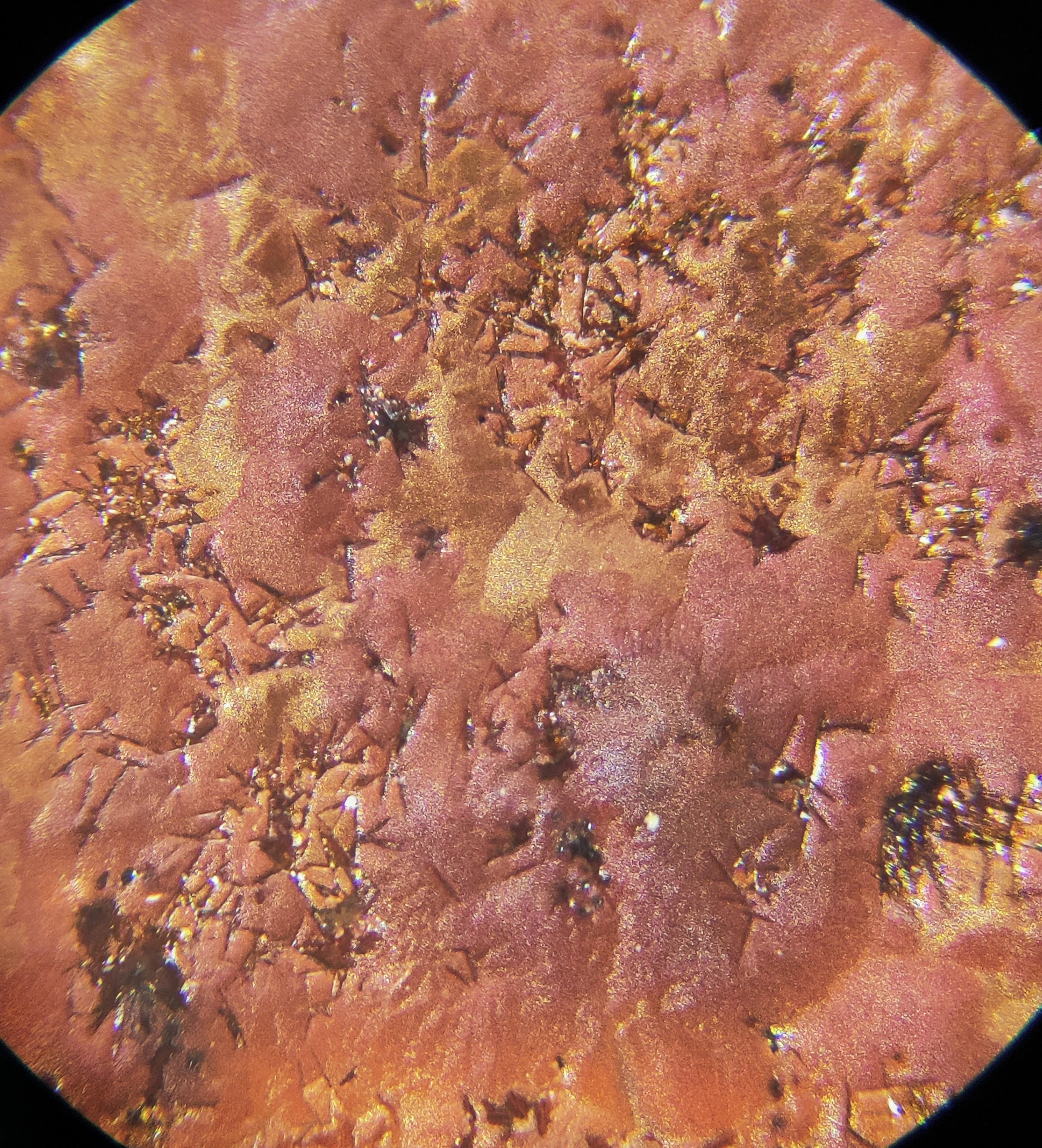
wall of the cup
All very interesting. Two thing I think at the moment with bismuth.
#1: works well with crystal glazes in small amounts, that is, low silica and alumina glazes. I have been using it as an additive because I do notice a slight shift in color. It makes my reds might brighter.
#2: Something is up with the absorption of the glaze into the clay pours. I notice the bubbling problem only happens when I put the glaze on the inside and outside of a pot. I will be testing this by seeing it I can glaze the inside and outside of a pot on different days (letting the pours dry) but this seems to be a reoccurring problem with bismuth. Note that the bubbles look almost nothing like pitting, these look different.
Please keep in mind for this post I am using bismuth trioxide at the moment. It is very chalky and requires sieving and thorough mixing to get it to be in the glaze.